My business is drowning in manual work
Fragmented systems, late exceptions, follow-up that depends on memory. GhostOS is the governed operating layer.
See what changes →
Ghostlines builds governed AI operating systems that connect tools, data, operations, and decisions — so routine work can move on its own, exceptions surface while they still matter, outcomes are verified, and humans keep authority over consequential action.
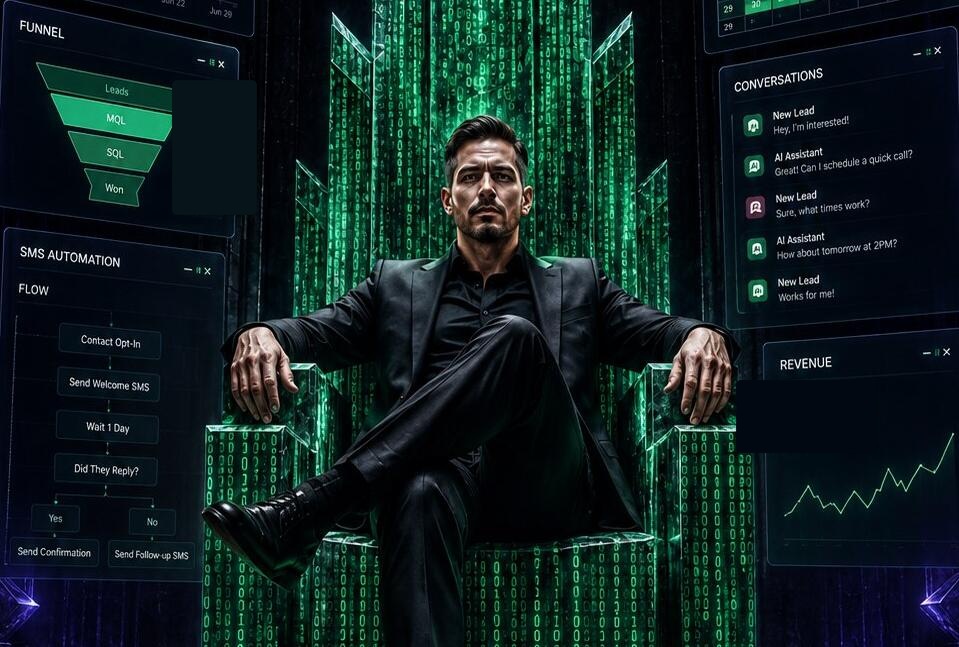
We don't sell templates. We engineer competitive advantages that compound — advantages competitors can't easily replicate or reverse.
The Problem
Organizations are still operating through disconnected tools and human coordination rather than an integrated operating layer.
The root is not effort. It is the architecture of how work gets done.
The problem is not inconvenience. It is economic consequence.
Competitive Intelligence
Operators who retain state, catch exceptions earlier, and stop re-learning the same work every day pull away. Labor drag, missed windows, and unseen patterns do not stay local.
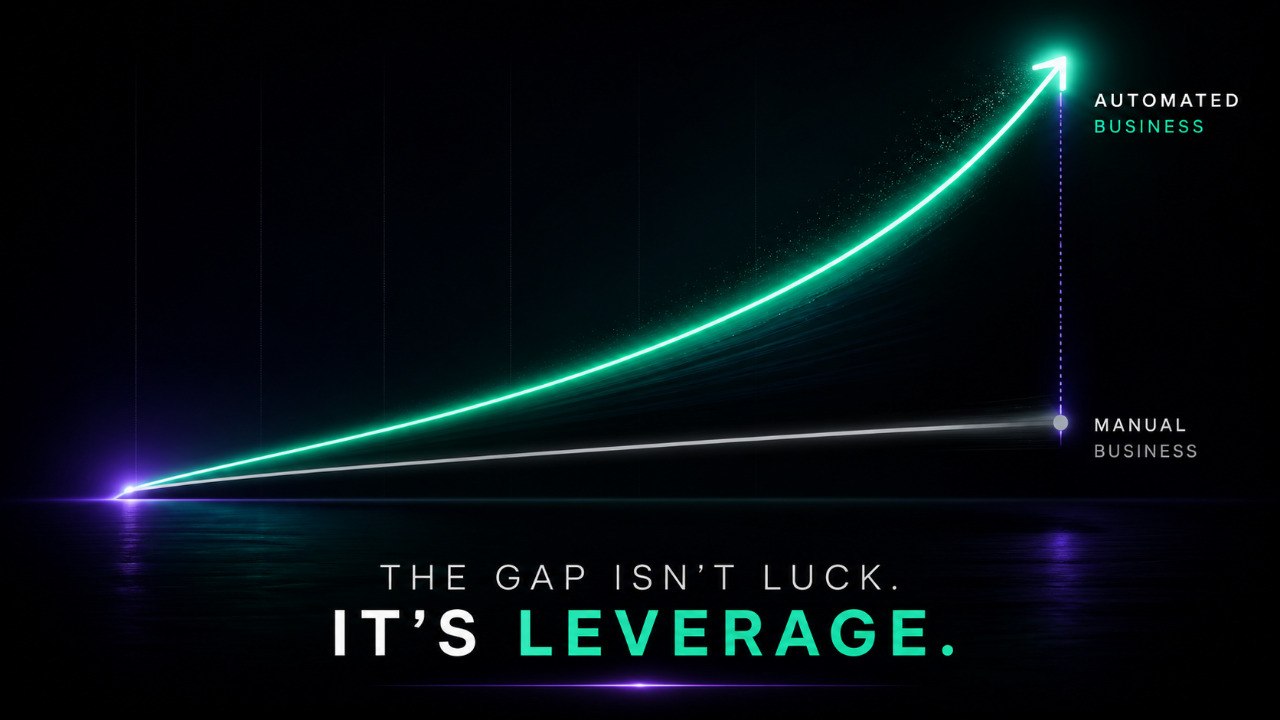
Your competitors are removing this friction. You're still managing it manually.
The Full Stack Advantage
Ghostlines is one institution with three engagement paths. Route by the pain you already live — not by our product taxonomy.
Fragmented systems, late exceptions, follow-up that depends on memory. GhostOS is the governed operating layer.
See what changes →Advertised rate is not effective rate. Ghostlines coordinates a forensic statement review. You keep the analysis. Switching is optional.
Request a statement analysis →Ghostlines educates, qualifies, and coordinates intake. Specialist legal and trust professionals design and implement the structure.
Request a private consult →Generating wealth without protecting it is foolish. Protecting wealth without growing it is pointless. Technical hiring managers and enterprise sponsors can inspect the public record separately.
The Ghostlines Operating System
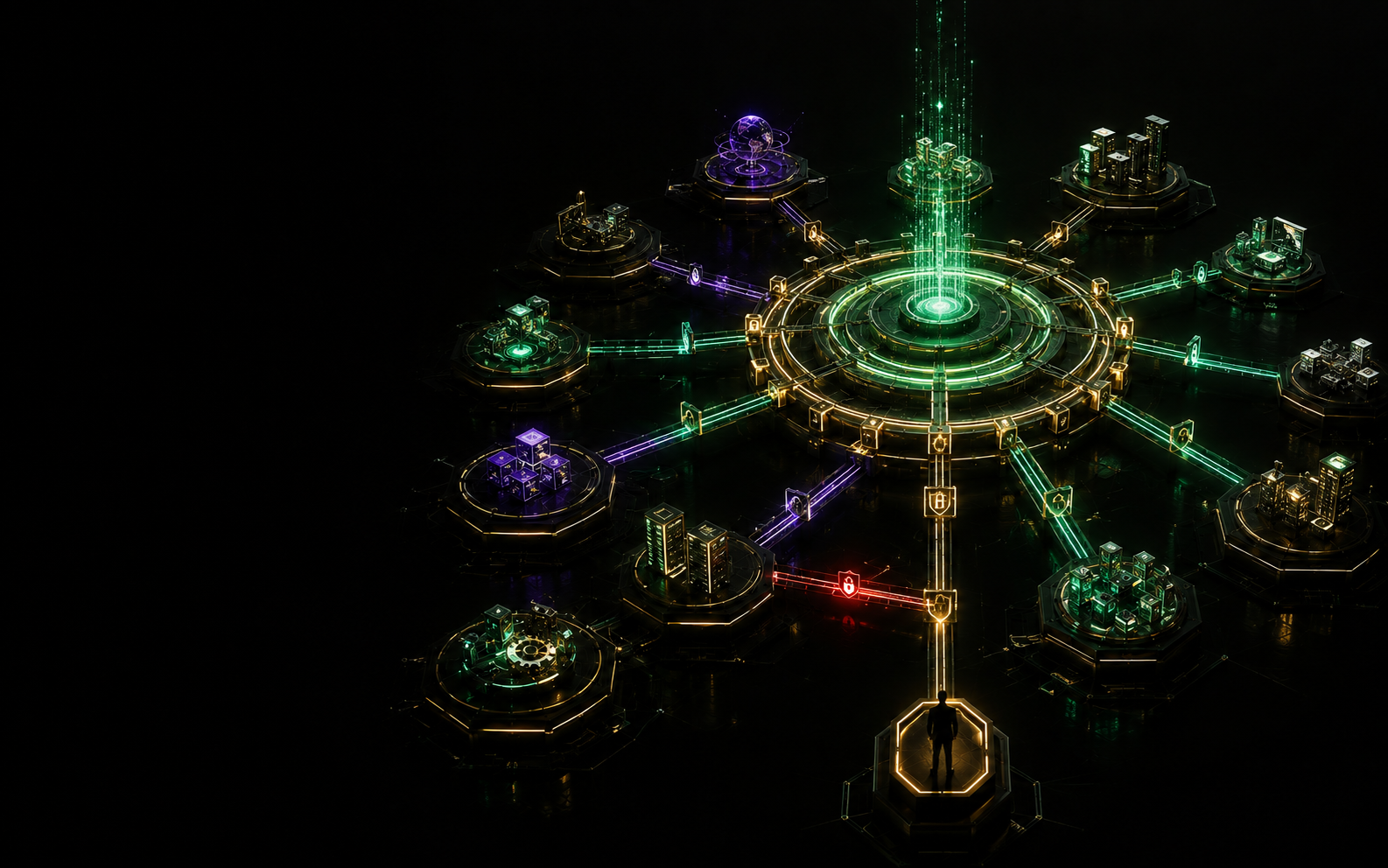
GhostOS retains state, watches the systems you already run, performs bounded work, verifies completion, and escalates what a human must decide. It is infrastructure, not a disconnected tool — and not a fully autonomous agent.
The practical effect: less time checking inboxes, spreadsheets, CRMs and portals, chasing handoffs, reconciling the same information, and checking whether work actually got done — more time handling customers, exceptions, strategy, and decisions that actually need you.
These are operating scenarios, not client-result claims. GhostOS never self-executes a strategic or capital decision.
BeforeA lead goes quiet and a support exception sits in a queue. Nobody notices until the customer follows up again — after the window where it mattered.
AfterGhostOS watches the queues continuously, routes the repeatable follow-ups, and escalates the one exception that actually needs a human — before the window closes.
BeforeSomeone copies the same numbers between a spreadsheet, an inbox, and a portal, then reconciles them again next week because nothing remembered what it found the first time.
AfterGhostOS retains what it already researched, reconciles the evidence itself, and hands the operator a decision-ready exception instead of a blank spreadsheet.
BeforeA manager checks five systems to find out what's actually happening, and finds the problem after the useful response window has already closed.
AfterGhostOS observes state continuously and verifies that authorized work actually finished — so a human spends time deciding, not watching dashboards.
Technical trust
What makes it safe to let GhostOS run unattended:
Durable mission state. Evidence is tagged, not blended. Ranked reports, including REJECT.
Scheduled workflows and overnight missions with an audit trail. Not a fully sandboxed worker, and not claimed as one.
Auto-allow / hard-deny / human-escalate. Pending is not a legal state. Human final say remains on every strategic or capital decision.
Public artifacts, Landlock capability controls, and a hybrid-provider path that is exercised — not automatic standing production review. Reality Engine is not built.
Public Proof
Four public repositories a stranger can open, ordered by current evidentiary strength. Clone and check. Full technical record on GhostOS.
MCP server and dual native/LangGraph implementations. Deny-by-default writes, human-approval override, append-only audit log.
View repository →SEC EDGAR ingest → normalize → validate → SQL analytics for five public companies. Public, Apache-2.0.
View repository →Provenance-tracked UCC learning and legal-reasoning architecture spanning Articles 1, 2, 3 and 9, with jurisdiction-specific source corpora. Public, Apache-2.0. Educational demonstration — not current legal-service capability.
View repository →Architectural evidence: content operations as a governed workflow. Not a measured client case. Example metrics in the repository are illustrative.
View repository →The Ghostlines Manifesto
Human labor quits.
Human labor forgets.
Human labor slows down.
Human labor gets distracted.
Leverage doesn't.
Businesses built entirely on people grow linearly.
Businesses built on leverage infrastructure compound.

How We Work
01
Bring one workflow, one processing question, or one protection concern. No pitch-deck theater.
02
For GhostOS: a bounded pilot, synthetic or sandbox first. Human approval on consequential writes. Fail-closed by default.
03
If merchant processing or asset protection is the fit, Ghostlines qualifies and coordinates. Specialist partners fulfill.
The Result
Building something complex?
Tell us where your operations are breaking down, what needs to connect, and what you want the system to accomplish. We'll determine whether Ghostlines is the right architecture for the problem.